The Babbacombe Murder: John Lee and Emma Keyse
The Babbacombe Murder: a historical reinvestigation through original records
The murder of Emma Keyse in 1884
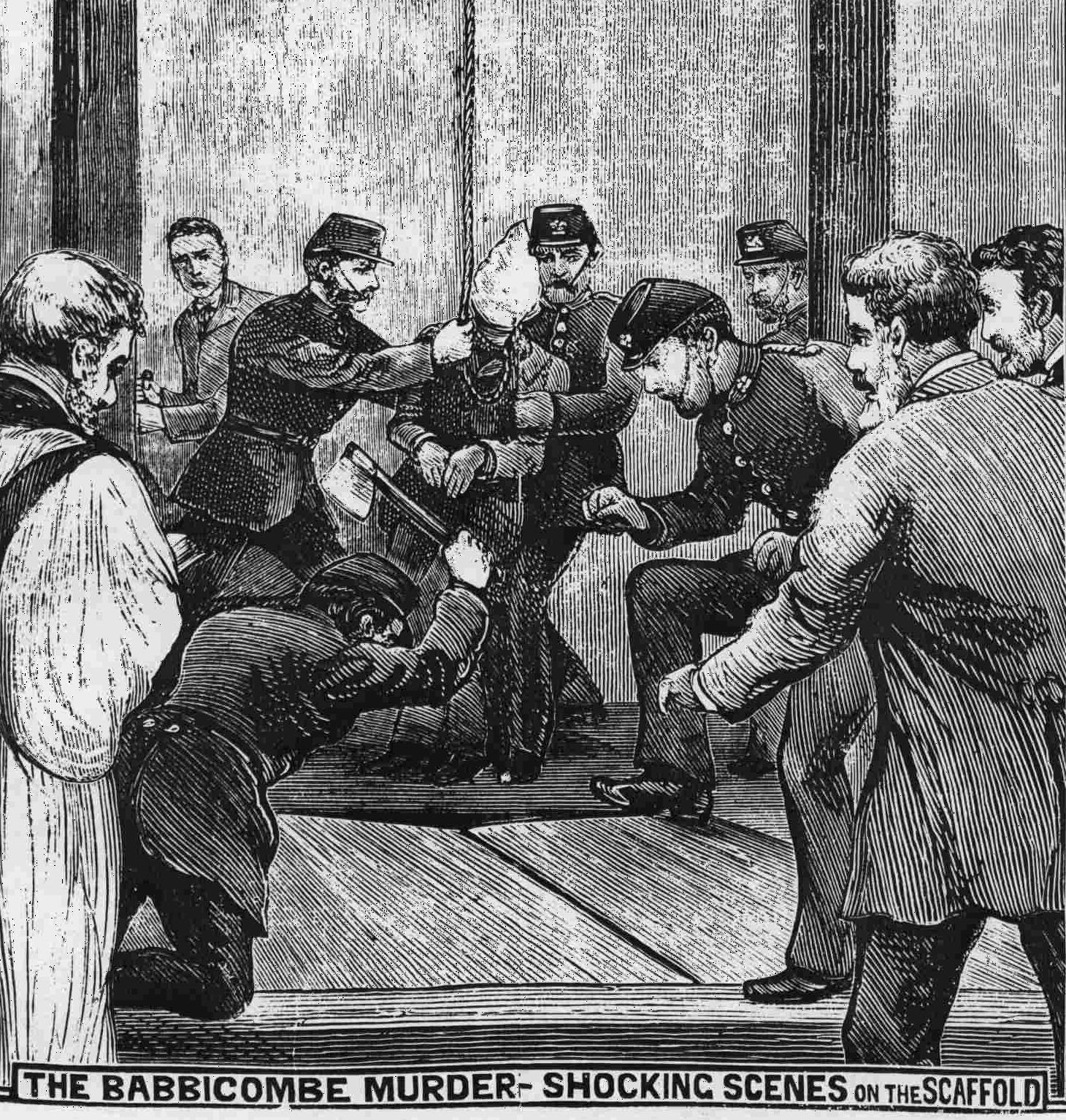
The Babbacombe Murder was the killing of 68-year-old Emma Keyse in November 1884 at her home, The Glen, in Babbacombe, Devon. Her body was discovered amid fires at the house. Her servant, John Lee, was arrested and subsequently convicted of her murder.
In 1885, three attempts to execute Lee at Exeter Prison failed. He became known as “the man they could not hang”. His death sentence was commuted, and he remained in prison until his release in 1907.
This archive examines the crime, the evidence, the court proceedings and the failed execution. It brings together historical analysis, contemporary newspaper reports and original records, allowing readers to compare the documented events with later retellings.
Explore the Babbacombe Murder case and its original sources
Follow the narrative or examine the surviving evidence directly:
- Emma Keyse and her life at The Glen — the woman at the centre of the case.
- The evidence in the Babbacombe Murder case — accounts and material used to build the case against Lee.
- John Lee’s police court hearing and testimony — contemporary reporting of the proceedings.
- The report on John Lee’s failed execution — records concerning the events at Exeter Prison.
- John Lee’s imprisonment, release and later life — the aftermath of the failed hanging.
Why the Babbacombe Murder still matters
The case raises enduring questions about evidence, criminal justice and capital punishment in Victorian Britain. The extraordinary failure of Lee’s execution attracted widespread attention, but the circumstances of Emma Keyse’s death deserve equally careful examination.
Was the evidence against John Lee convincing? How did newspapers present the case? Which details come from contemporary testimony, and which appeared in later accounts? These questions guide the archive’s historical reinvestigation.
Separating documented history from legend
The aim is to distinguish recorded facts, conflicting testimony and historical interpretation. Surviving court accounts, correspondence, official reports and newspaper coverage provide the foundation for examining both the conviction and the doubts surrounding it.
For wider research, explore The National Archives and the British Newspaper Archive. These are research resources; individual claims should be checked against the relevant record.